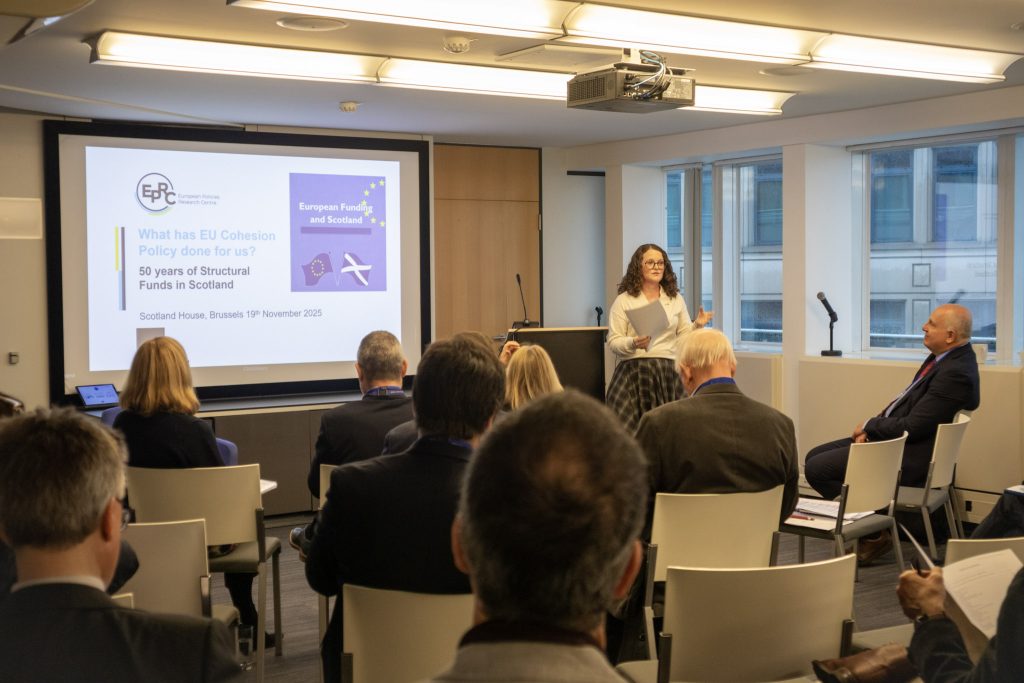
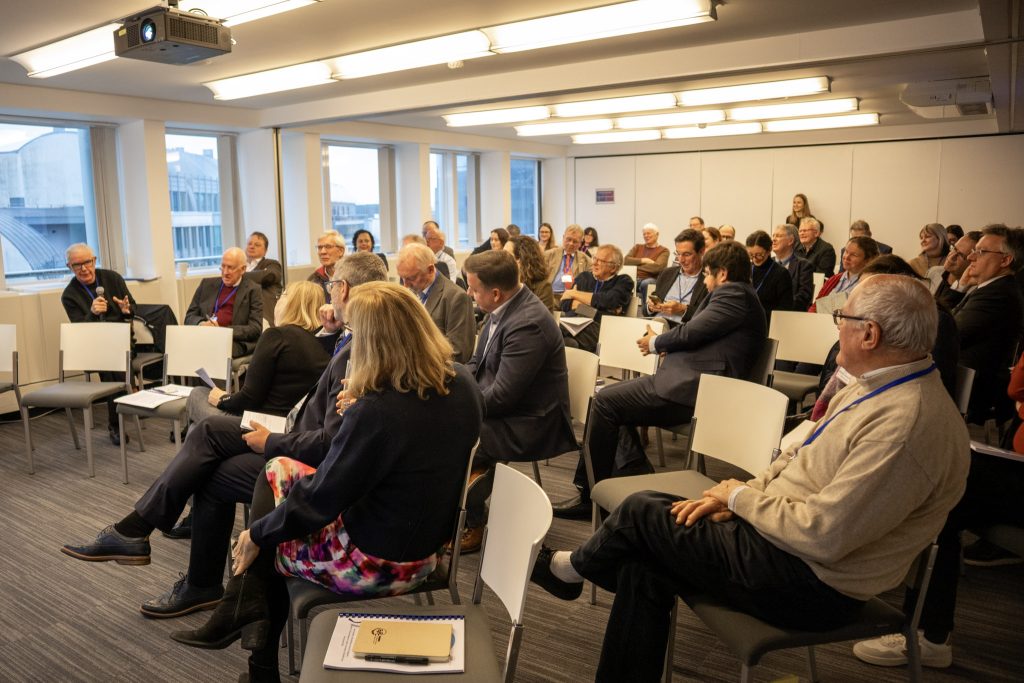
A study charting five decades of EU Cohesion Policy in Scotland was presented last Wednesday at Scotland House in Brussels, marking the culmination of a half-century of investment, partnership, and regional development. The report, written by the European Policies Research Centre (EPRC) and commissioned by the Scottish Government, was launched by authors Professor John Bachtler, Rona Michie and Rachel Maguire , with moderation from Sarah English of Scotland Europa.
The submission of the final closure documents for Scotland’s 2014–20 programmes earlier this year officially brought to a close 50 years of EU Structural Funds engagement. Since the introduction of ERDF funding in 1975, Scotland has participated in more than 60 multi-year programmes and Community Initiatives, delivering thousands of projects that have contributed to economic restructuring and regional development.
According to the report, an estimated €7.7 billion in EU and domestic funding has been invested over the period, helping to create over 235,000 new jobs, safeguard a further 60,000, and support more than 260,000 businesses. Funding has also underpinned significant progress in skills development, innovation, infrastructure improvement and community regeneration, benefitting hundreds of thousands of individuals across the country.
Scotland’s experience is presented as a microcosm of the evolution of EU Cohesion Policy more broadly. Over the years, the country has pioneered influential approaches to governance -including the ‘Scottish partnership model’ – as well as innovative methods in community development, monitoring and evaluation, application of horizontal principles such as sustainable development gender mainstreaming, and financial engineering mechanisms like the Scottish Co-Investment Fund.
International cooperation has been a particular strength, especially under Interreg, where Scotland developed close collaboration with Nordic partners. Further engagement with accession countries through ECOS-Ouverture, RECITE and Twinning initiatives also fostered cross-border innovation and knowledge exchange. The IQ-Net consortium, managed by EPRC, stands as another enduring legacy, with its 60th conference scheduled for 2026.
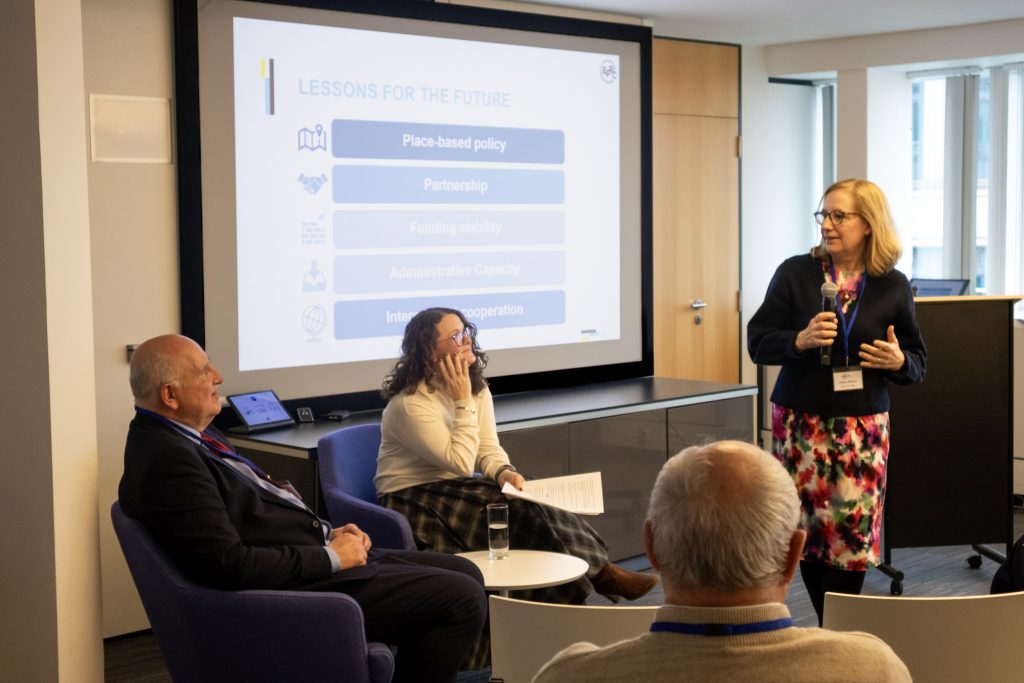
While the report reflects on the past, it also looks forward, setting out key lessons for the future of regional development policy. It highlights the enduring importance of place-based strategies, strong partnerships, stable funding, effective administrative capacity and continued international engagement-principles that are increasingly vital amid current debates over the future of Cohesion Policy.
The study provides a timely reminder of the long-term value of sustained regional investment and collaboration, underscoring Scotland’s influential role in shaping and delivering EU Cohesion Policy over the last 50 years.
Read the full report here.
More photos from the event..